Habitats and Seasons
Insects as a whole are no different from other animals. They require a reliable food supply, water in some form, and a certain amount of cover. We authors, on the heels of our writings about lepidoptera first (i.e., Bailowitz & Danforth, 1997) and then subsequently Odonata (e.g., Behrstock 2008, Bailowitz, Danforth, & Upson, 2015), joined forces in 2021 to deeply investigate Diptera (Behrstock et al. 2020), including bombyliids. At first, it seemed important to visit habitats similar to those utilized by Lepidoptera and Odonata; i.e., riparian areas. In the arid surroundings of SE Arizona, Lepidoptera generally required nectar, hydration, and protection, all best satisfied by these riparian areas. As aquatic insects, Odonata, whose immatures possess internal or external gills, were obligatory inhabitants of these riparian areas, either in conjunction with ponds, streams, or marshes of various kinds. In these cases, our searches for dragonflies and damselflies revolved around the needs of the immatures.
Riparian Southeast Arizona
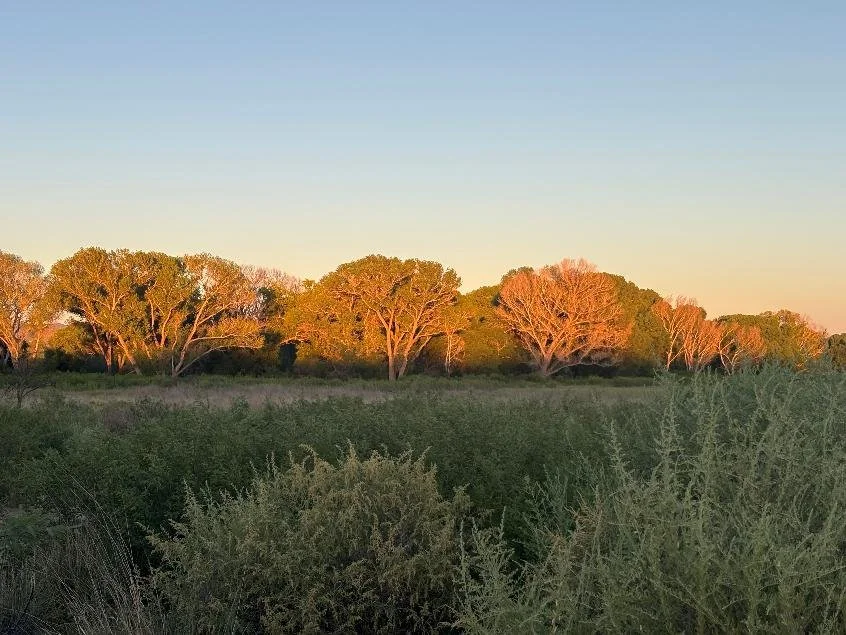
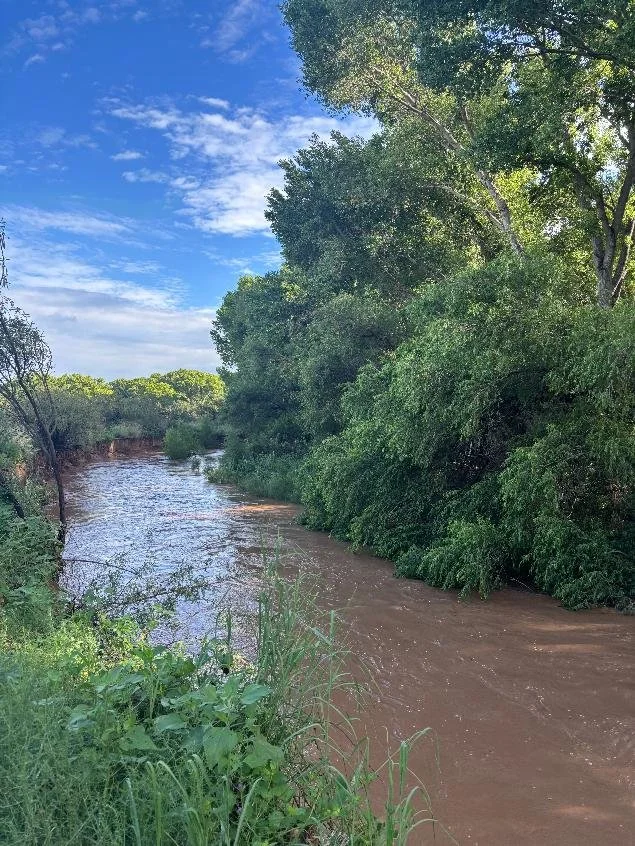
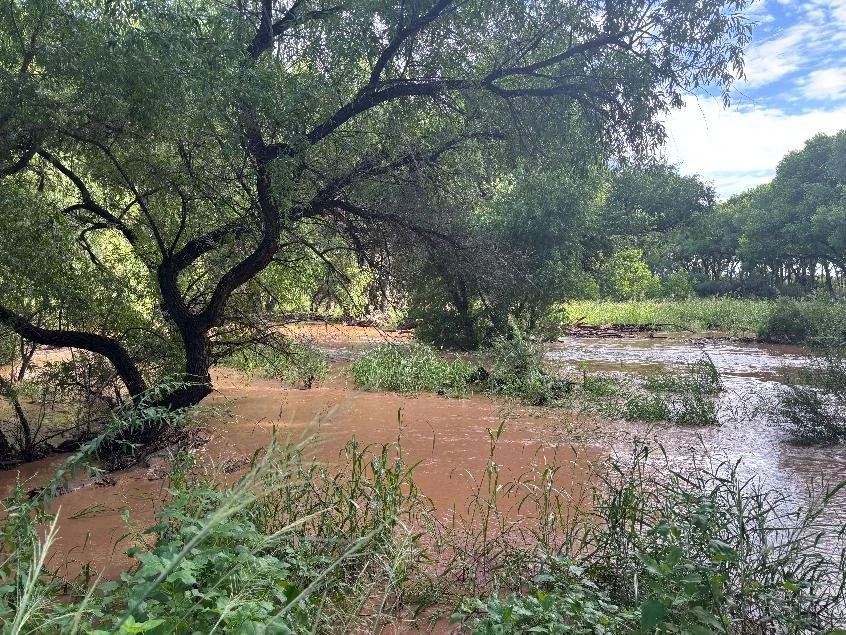
Without much additional thought, our early forays in search of bee flies were to as many lotic (stream) and lentic (pond) habitats as we could find. It soon became evident that our choices were incomplete, and although the presence of nectar for adults was at times provided in these riparian locations, the needs of the larvae were not. We began to realize that since the larvae were parasitic on the immatures of other insects, the adult bee fly females needed to spend considerable time searching dry ground for oviposition sites that would not flood. These oviposition sites were primarily in the nests of other insects. While it is true that some of these "other" insect’s nest were within the bounds of riparian areas, most of the possible target hosts for bombyliids; i.e., beetles (Coleoptera), dipterans, bees and wasps (Hymenoptera), and net-winged insects (Neuroptera) have ground nests in the desert. We soon altered our field work to include or even stress a variety of deserts, grasslands, and forests and to downplay our interest in riparian areas.
Forests, Grasslands, and Deserts
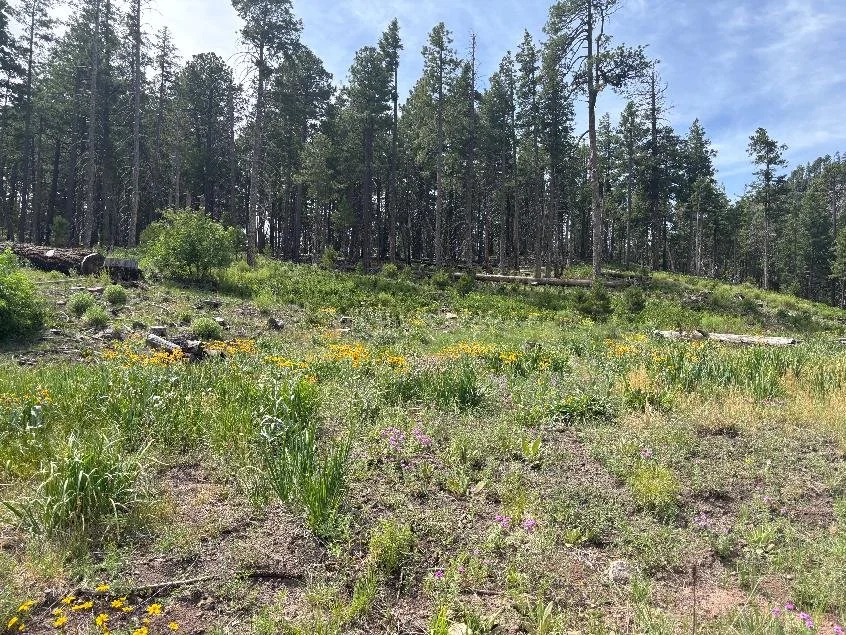
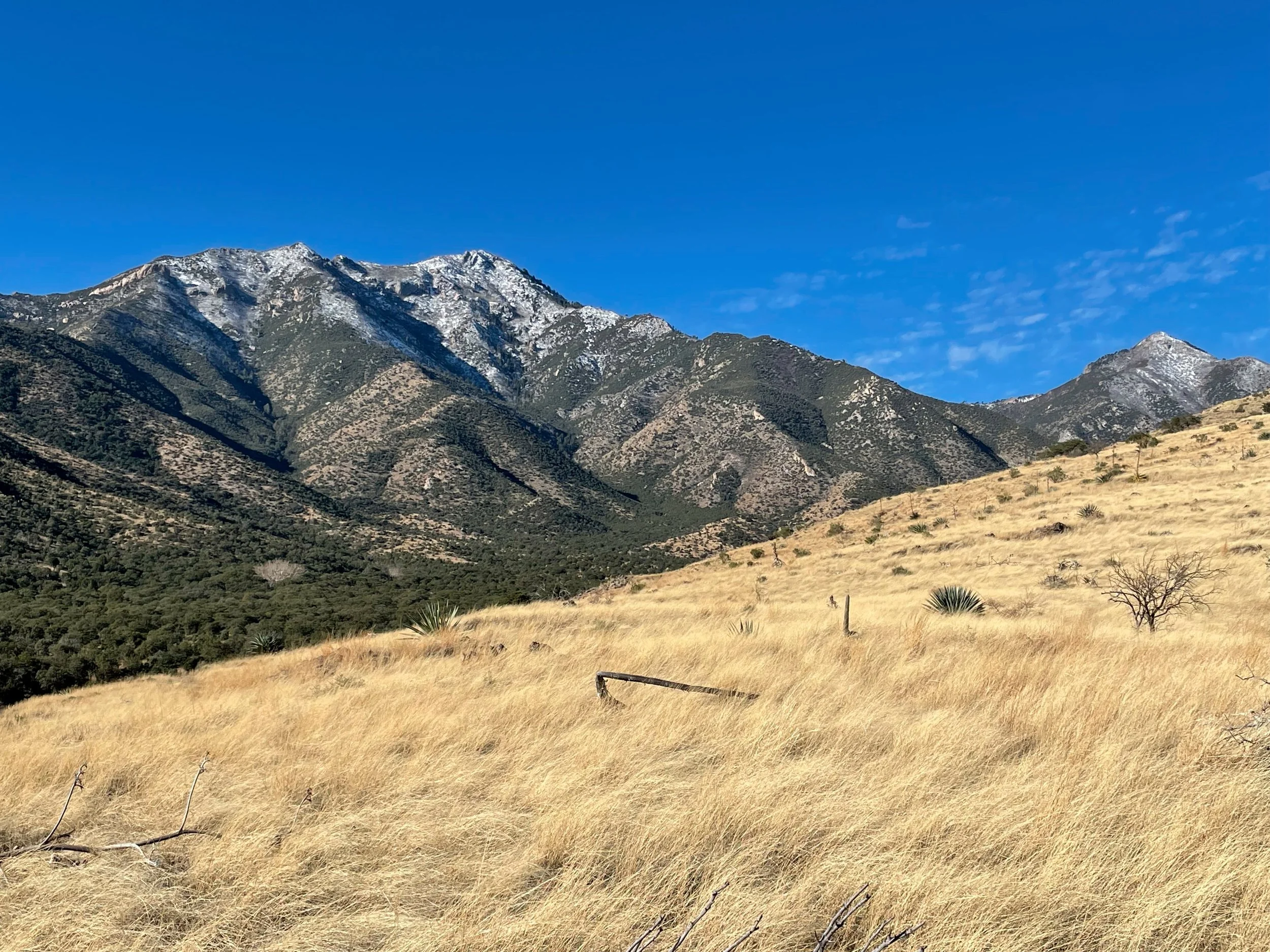
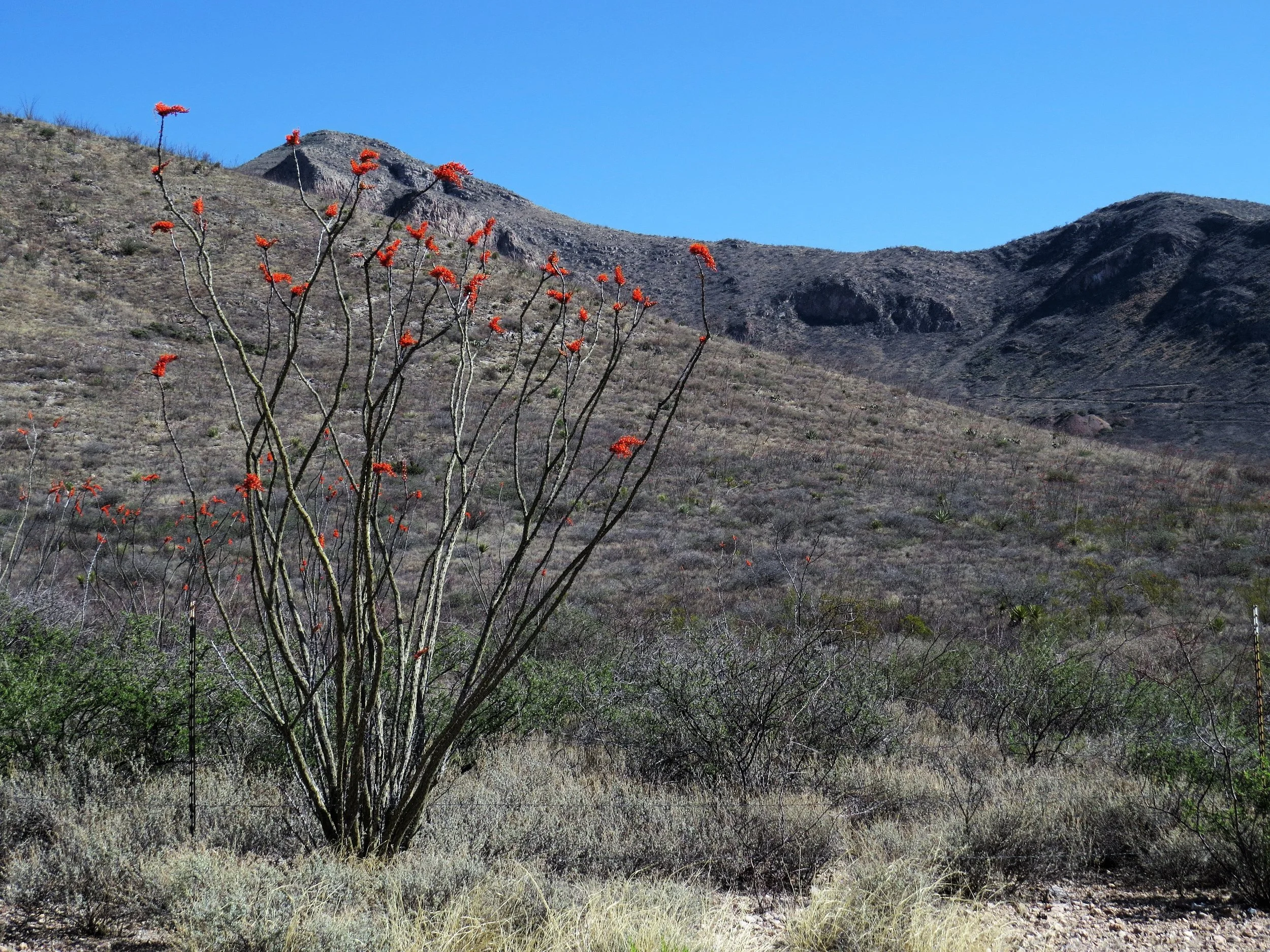
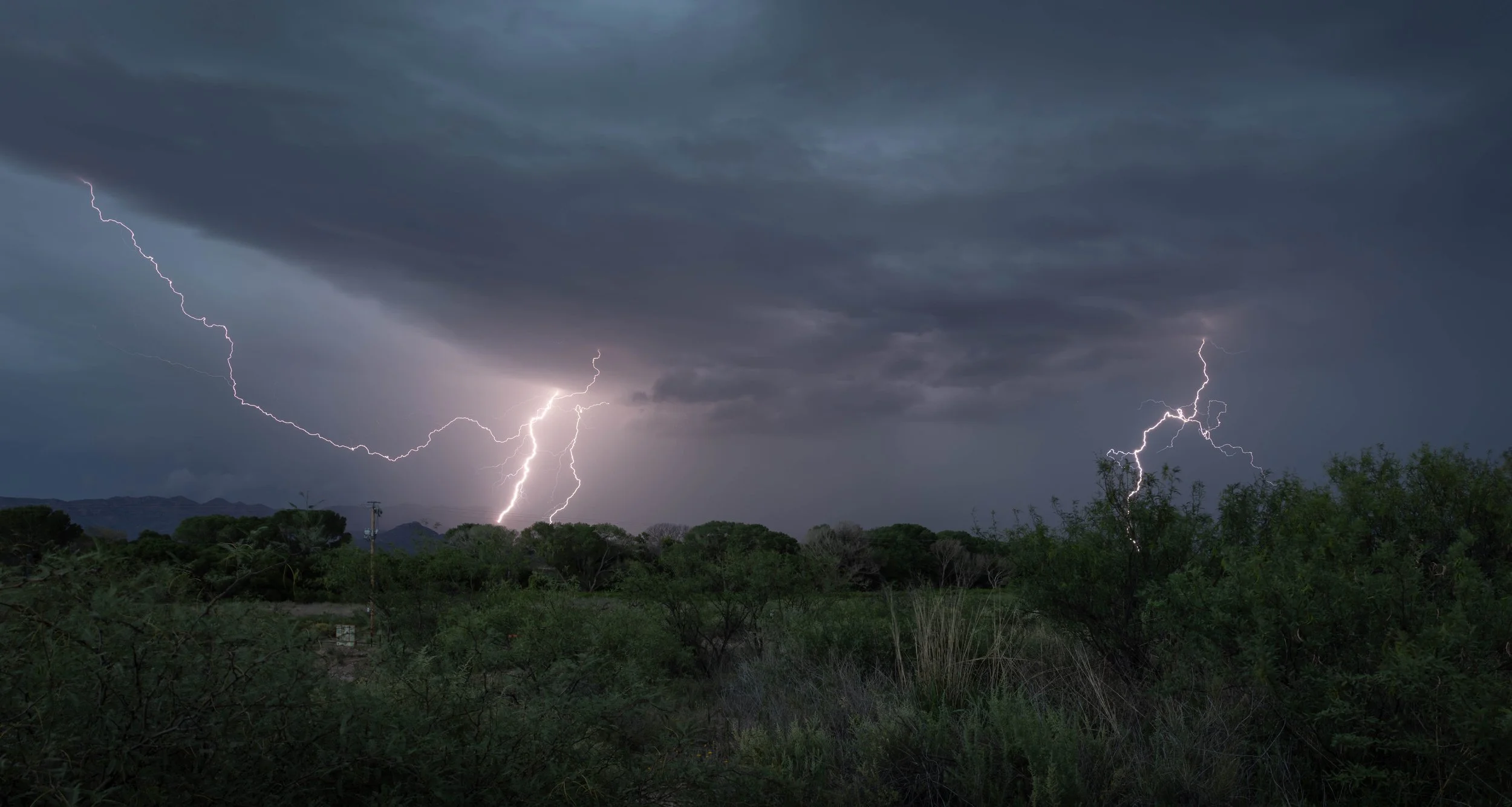
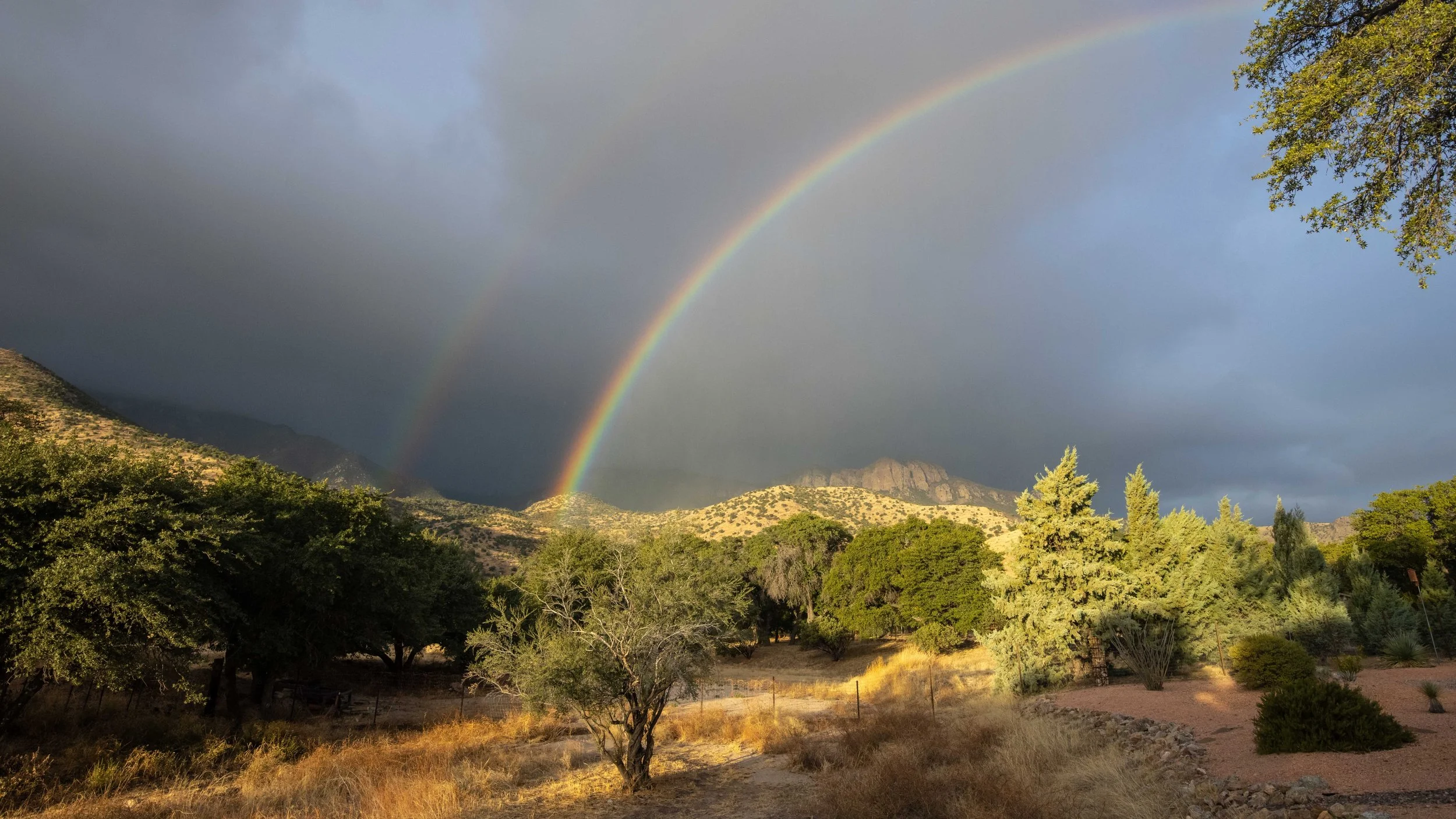
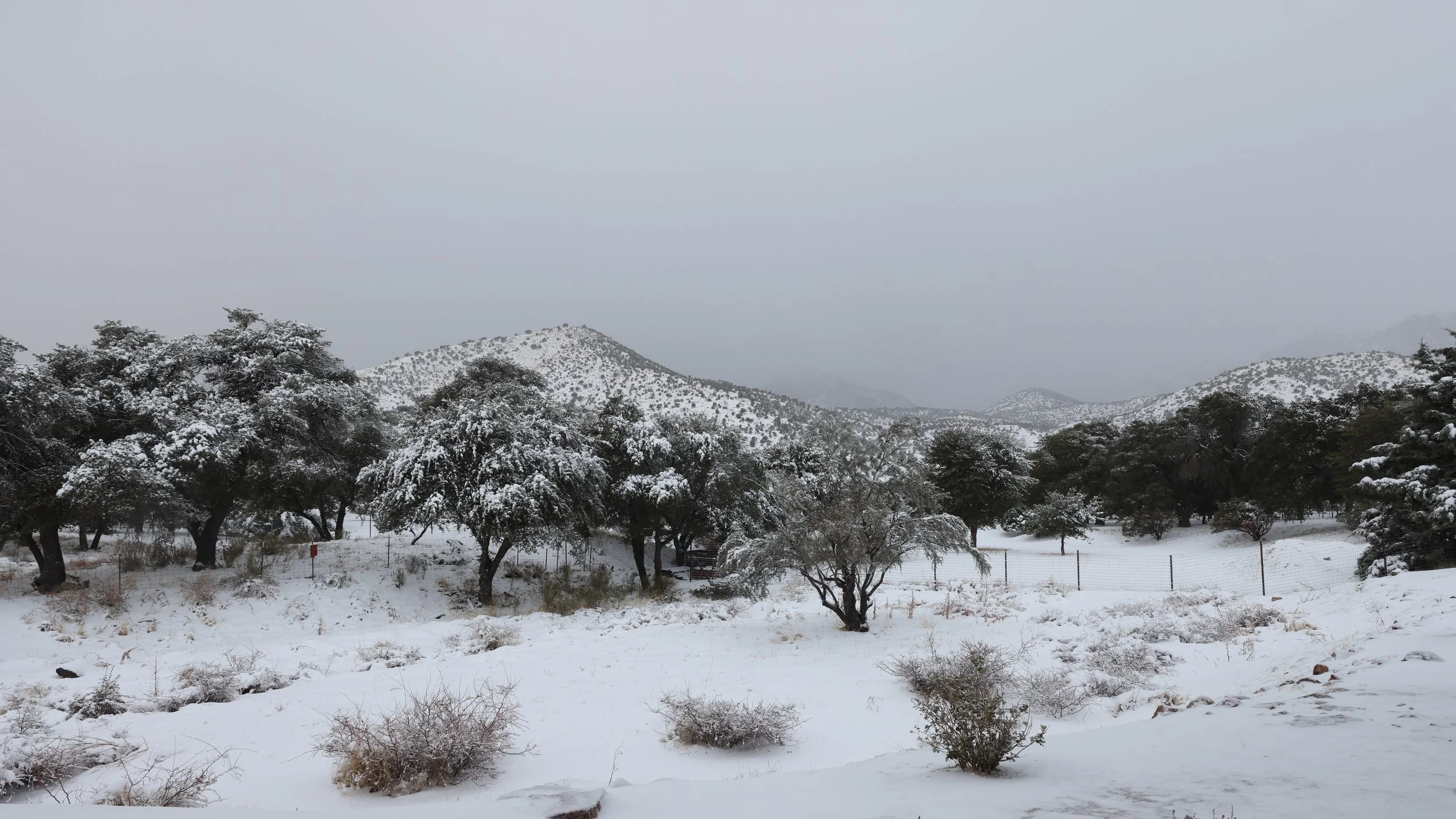
Broadly speaking, there are two seasons of high bombyliid activity--spring and mid to late summer. Because adult bee flies rely heavily on available nectar, their flights revolve around the blooms of a wide variety of annual and perennial wildflowers. The blossoming of these flowers is in turn triggered by rainfall and since precipitation in SE Arizona is predominantly bimodal, that is it rains during winter and mid-summer, bombyliid flights are similarly-patterned. This results in a flight after the winter rains and a second very different flight, perhaps even larger, and often of different species, after the mid-summer rains. There appears to be a variable lull in activity in the region during late spring and early summer in response to the lack of rain in May and June. This lull in early summer activity accounts, oddly enough, for the comparative wealth of undescribed or newly described species which are on the wing during those few weeks. Because researchers, to some degree, are put off by higher temperatures, diminished nectar sources, and largely unprofitable results, those species that are in fact present represent Data Deficient taxa (Barbosa et al. 2024) and may as yet be undescribed. There is another break in activity, stronger yet, between mid-November and mid-February, characterized by occasional sub-freezing temperatures and/or short day-length, after which activity increases during spring. In addition to there being seasonal restrictions of many species - single-brooded in the spring, e.g.- , at times there is considerable variation in year-to-year abundance in some species. This may arise following seasons of above or below normal temperatures (e.g., following the winter of 2025-26 during which in north Tucson no freezes occurred) or greater than or less than typical precipitation (e.g., following May of 1992 in which Tucson experienced more than 10 days with measurable rains).
Southeast Arizona Weather