
Biology and Life History
As is the case with many insects within a single family, the various life stages of bee flies differ greatly. Adult bee flies are mobile, and most species visit flowers (termed anthophily or flower-loving) where they feed on nectar and perhaps pollen. Most species may be considered beneficial, ranging from casual to major pollinators. On the other hand, the larvae of bee flies are parasites on locust (grasshopper) eggs, bee larvae and other insects, or even hyperparasitic, parasitizing other parasites. As parasitic insects, the life cycle of bombyliids is closely tied to the availability of other arthropods, including at least 6 orders of insects: Coleoptera, Diptera, Hymenoptera, Lepidoptera, Neuroptera, and Orthoptera, and at least one group of spiders (Yeates & Greathead 1997). In bombyliids, the act of parasitism leads to the ultimate demise of their provider, as nearly all members of the family are actually parasitoids, in which the host is ultimately killed. Although this fact is well established, some may find it shocking to learn how few of the life-history particulars, species by species, have been studied and documented. To a great extent. this is due to the backwards nature of these discoveries; i.e., investigations into the lives of the prey reveal the presence, and ultimately the identities, of the predators rather than the other way around. Although bee fly larvae are killers of the immature stages of other insects, which at first sounds horrific, their immature lifestyle is beneficial to humans, via predation on grasshopper egg masses and the larvae of other agricultural crop pests.
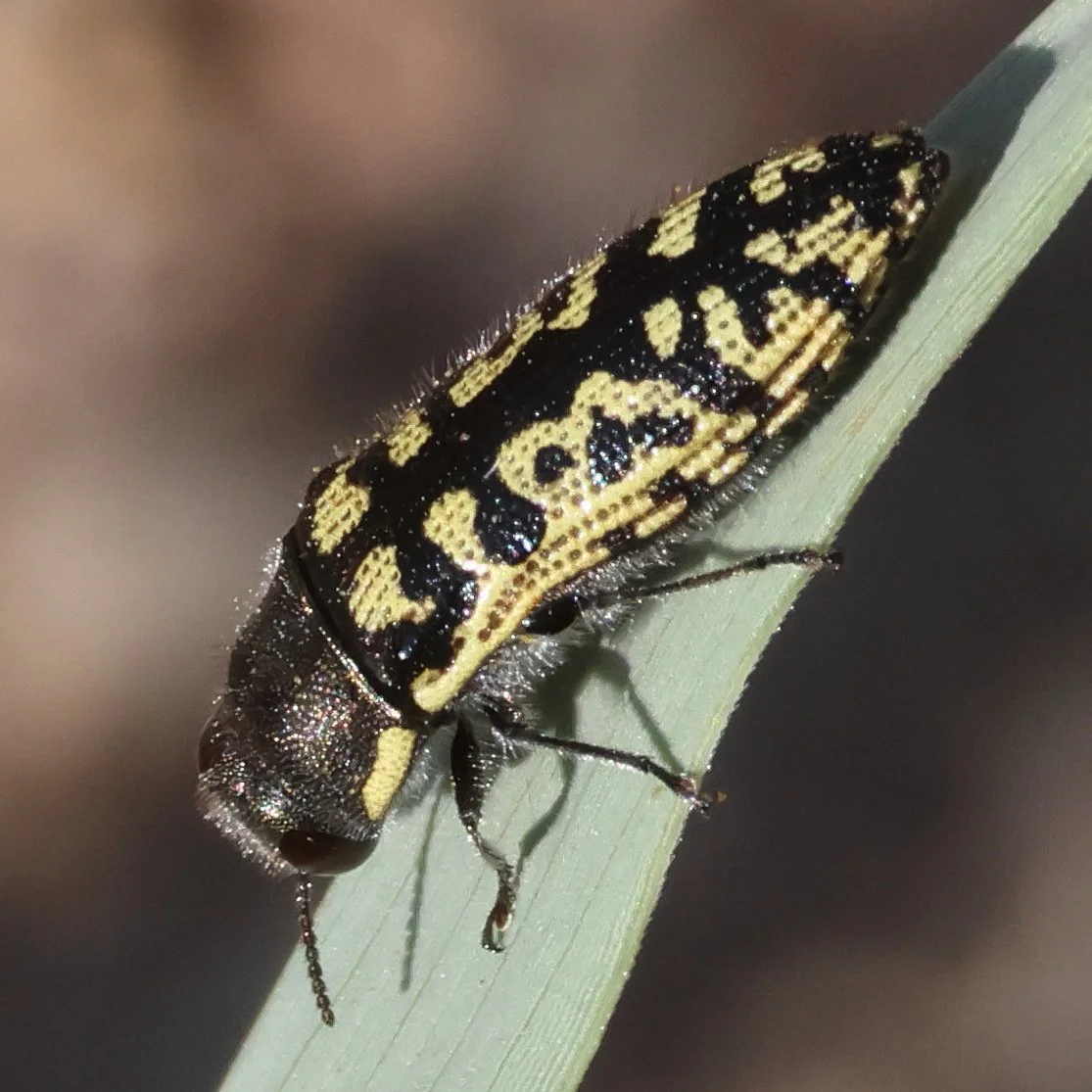
Order Coleoptera
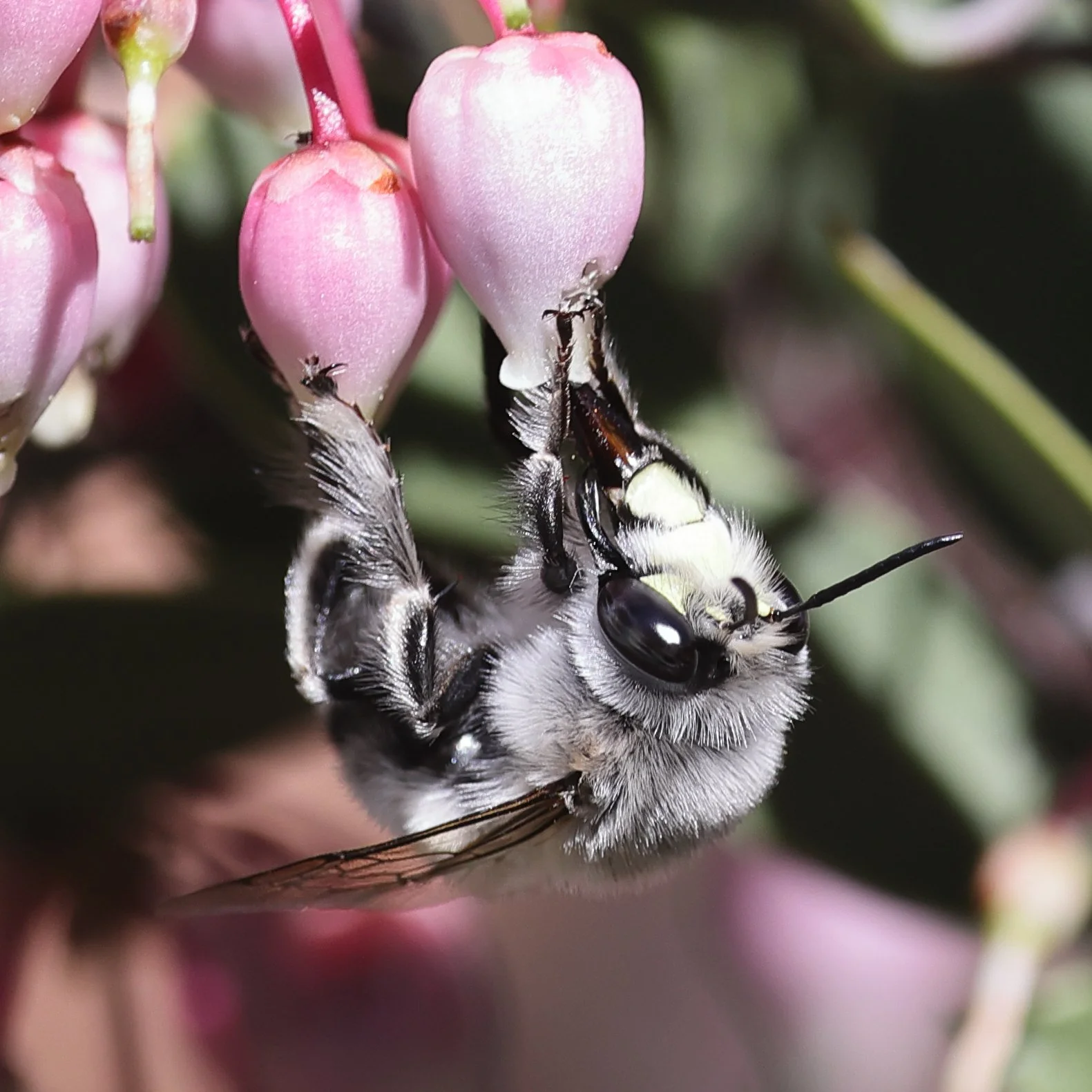
Order Hymenoptera
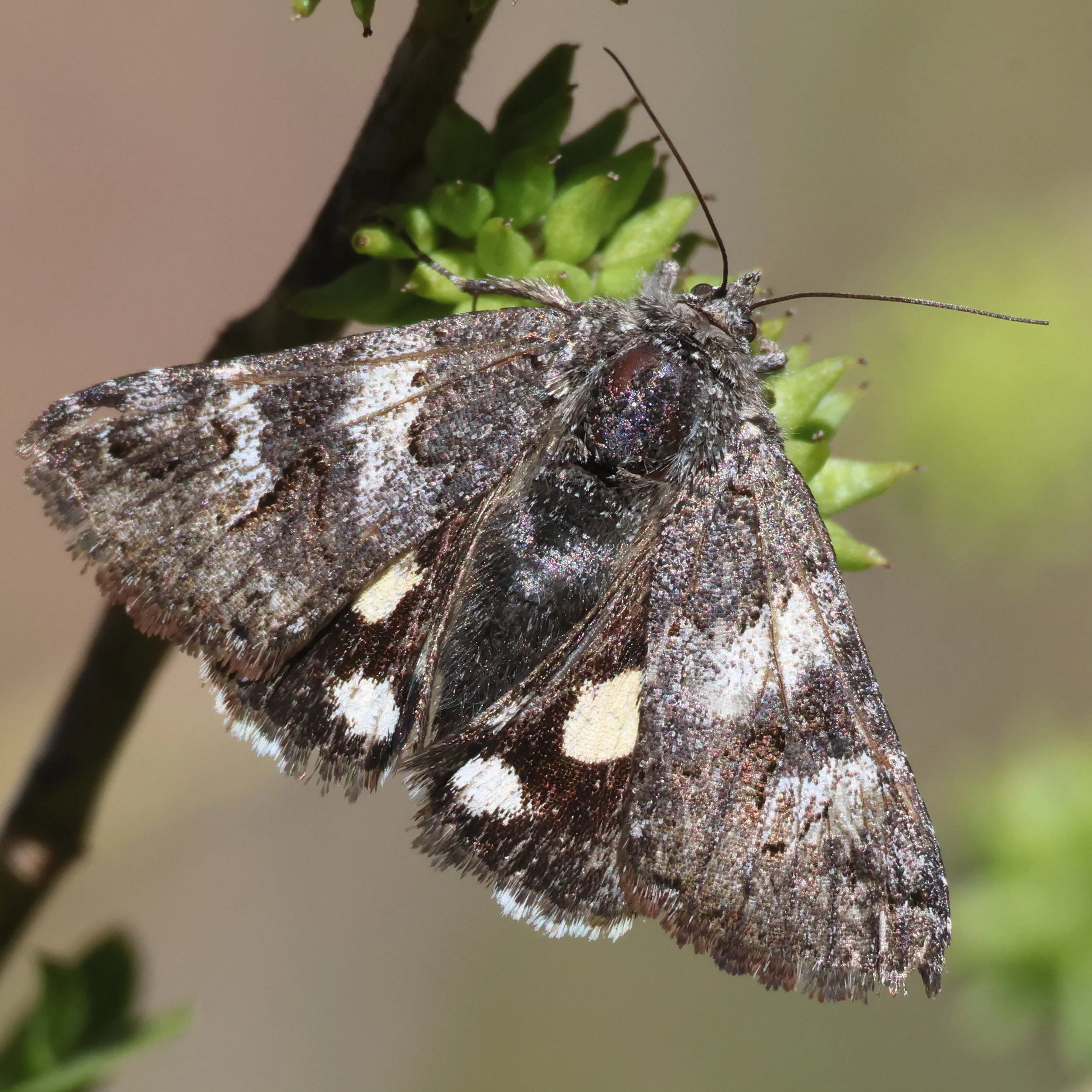
Order Lepidoptera
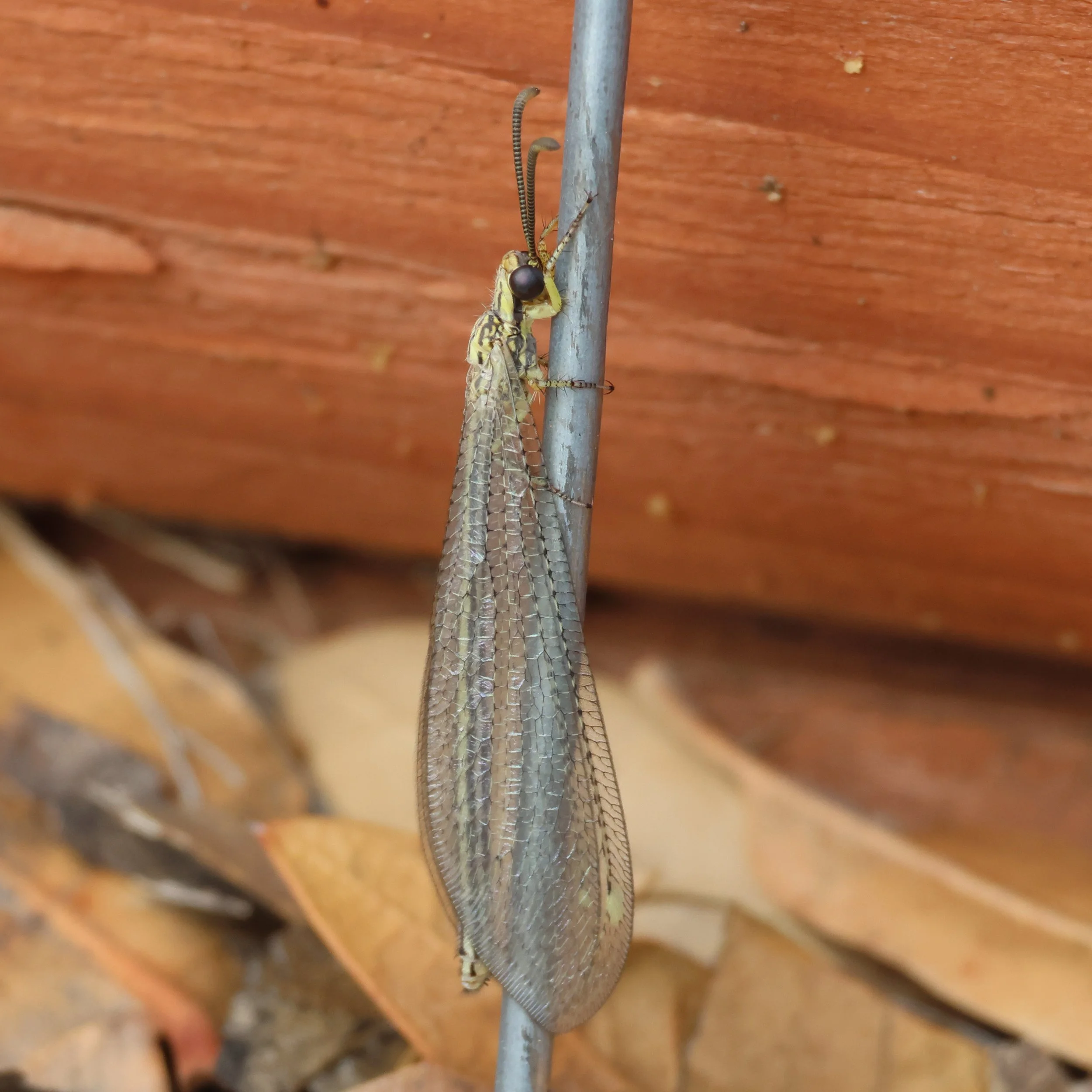
Order Neuroptera
Order Orthoptera
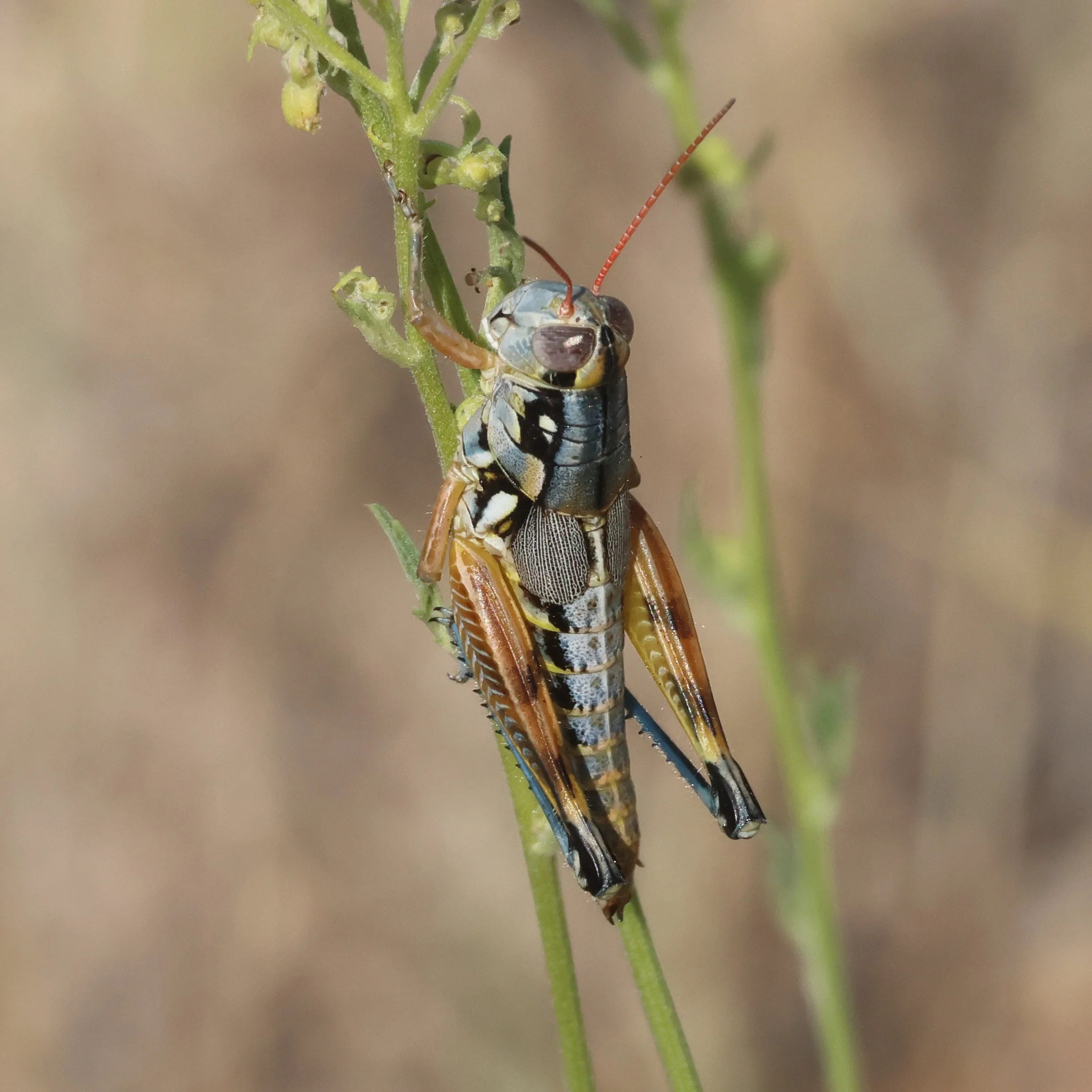
Since it is extremely difficult to observe and document the specifics of parasitic relationships, fewer than 20% of bee fly life histories are known. Despite the fact that comparatively little has been published concerning the immature stages of bee flies, Frank Hull's Bee Flies of the World (1973), devoted more than 30 pages to specific larval host interactions for the few species that had been studied.
Here is one example of a life history study that appeared as a master’s thesis. Alkali bees (Halictidae) in the genus Nomia are known to be major pollinators of alfalfa fields and in turn Heterostylum robustum (subfamily Bombyliinae) is a parasitoid of the bees. Because alfalfa is a vigorous and profitable crop in the Pacific Northwest, this insect relationship was investigated thoroughly by R. Eppley (1963) as a master’s degree project. It became evident that greater parasitism by the fly produced poorer crop yields. In Eppley's search for more information on the life of H. robustum, he became very familiar with its biology. Eppley (1963) noted that the gravid female has a lifetime capacity of laying between 2,000 and 3,000 eggs. Once fertilized, she flies low over the substrate, searching for holes and crevices that may harbor insect larvae, and places between 1 and 4 eggs at a time into each; close to 300 eggs are laid each day. The incubation period for these eggs averages 9-10 days. The larva hatches and passes through 3-4 instars (developmental stages). This is just one example of a life history investigation, but it gives us some inkling into the possibilities and the value of single-species study.
Heterostylum robustum
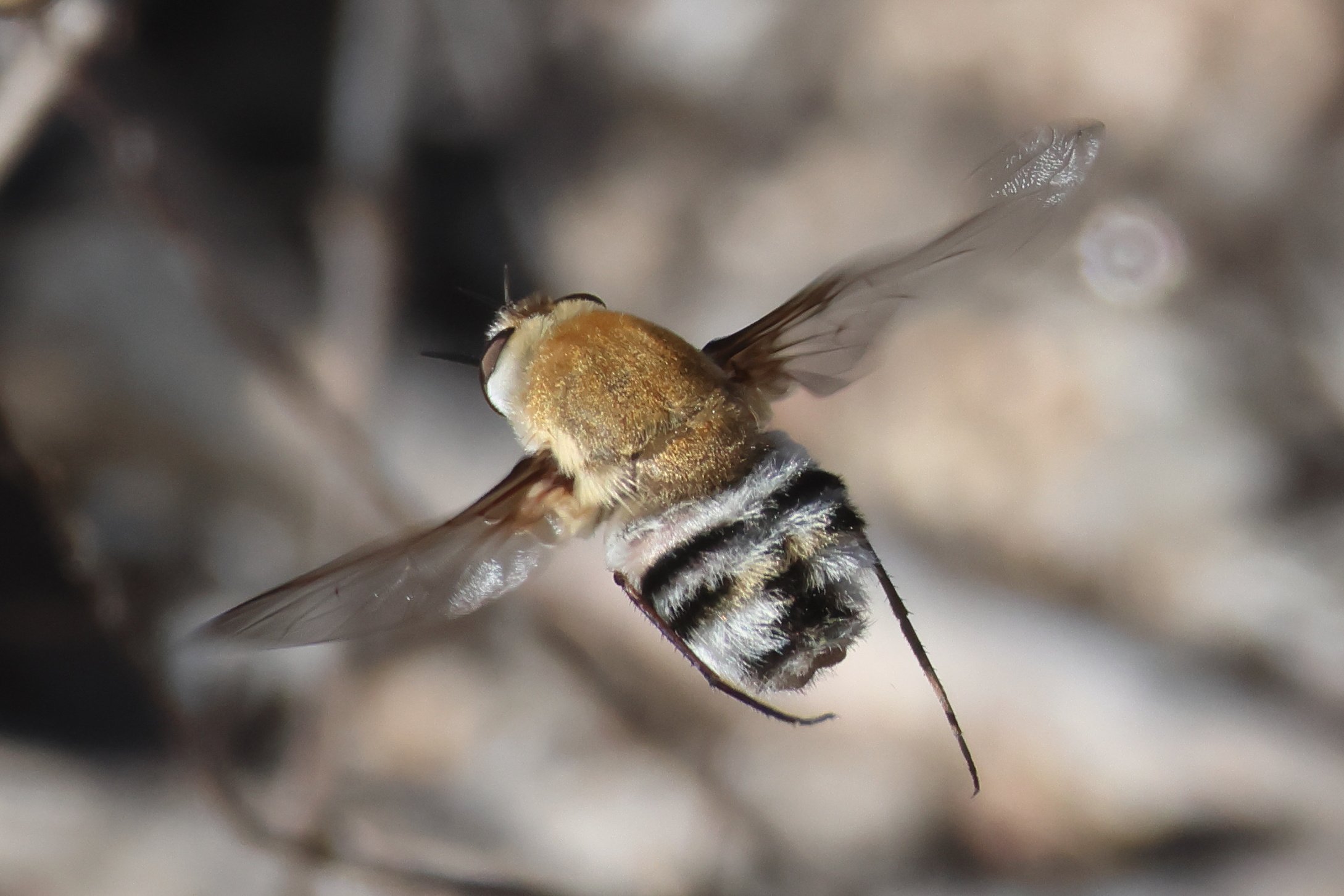
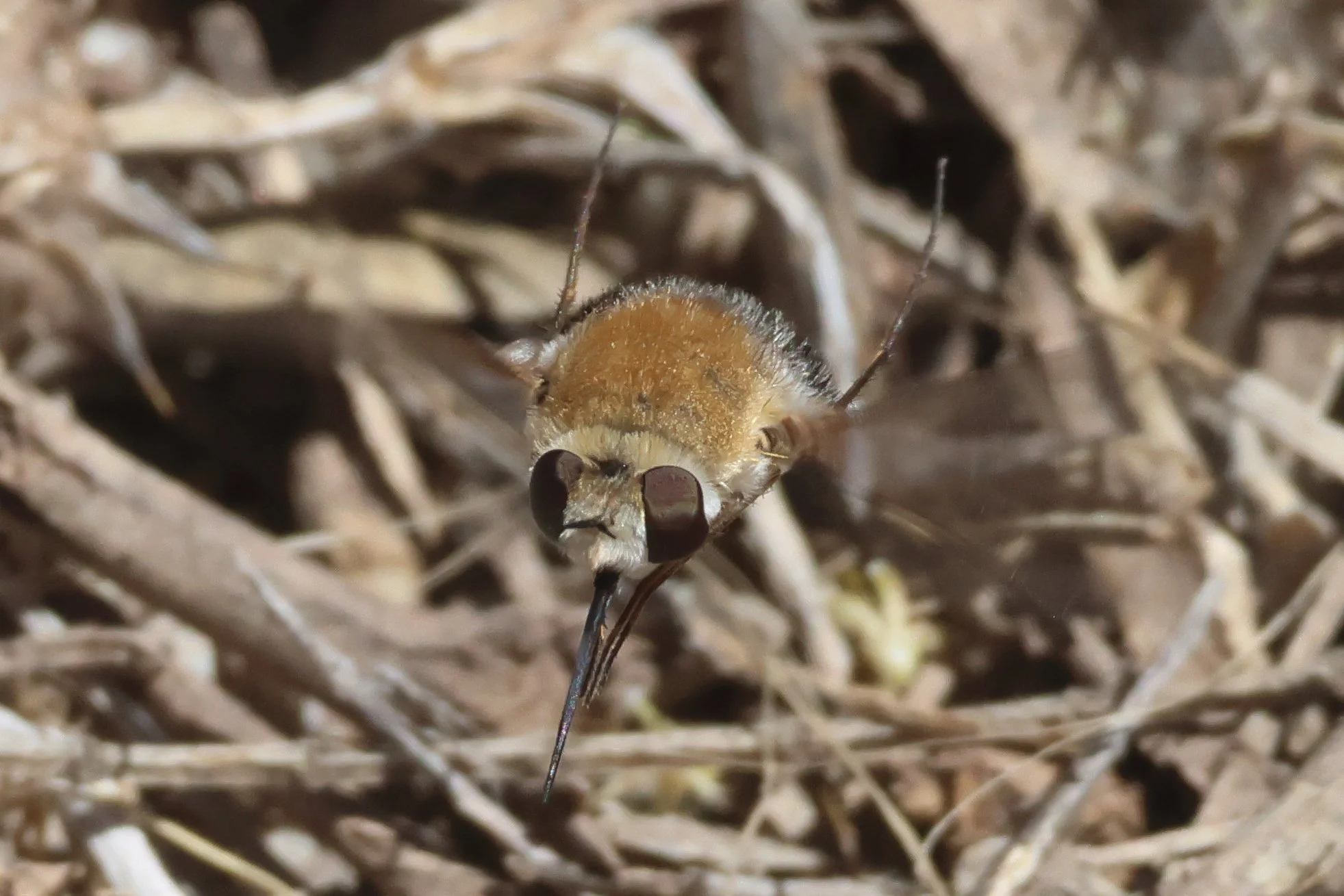
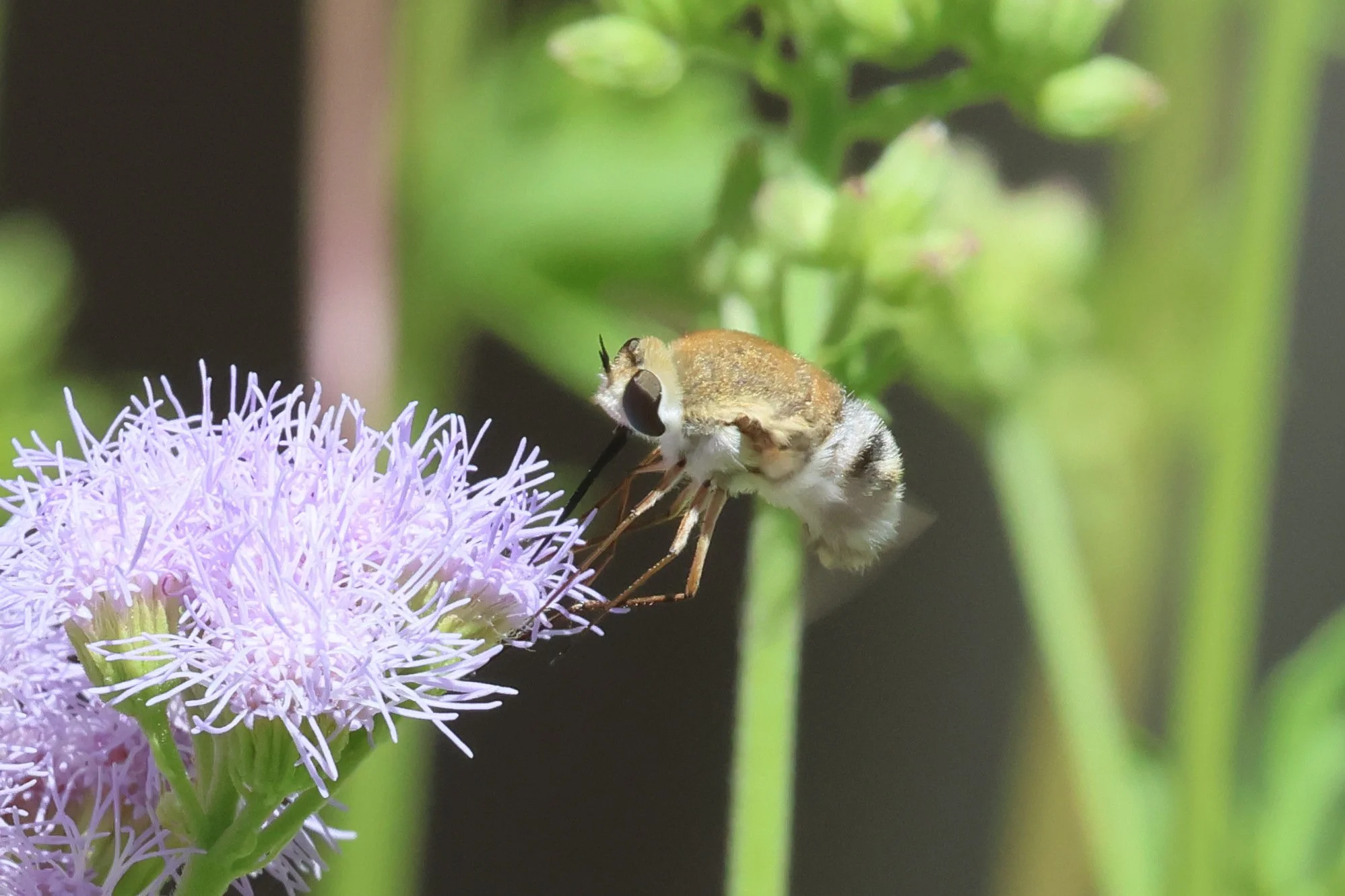
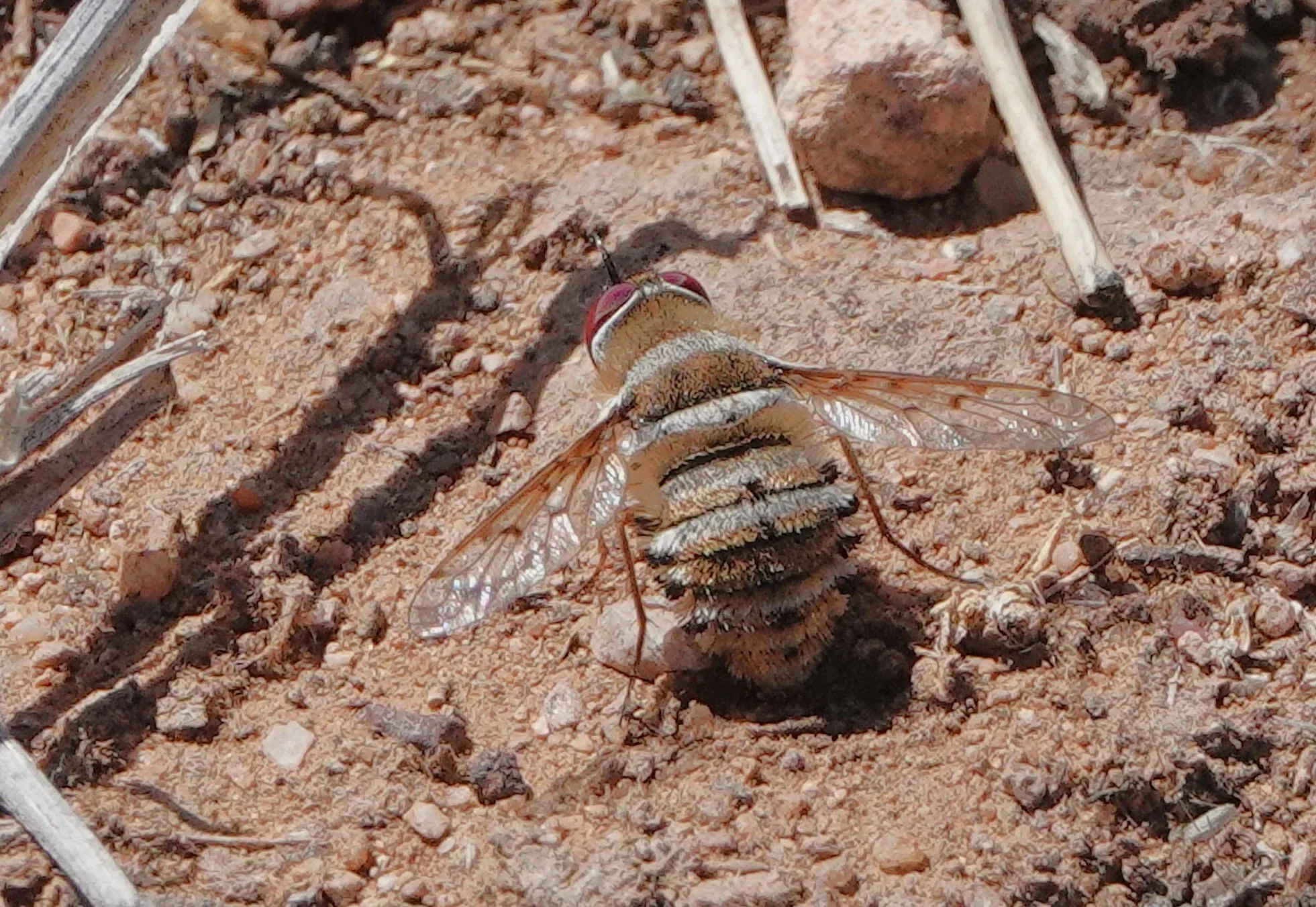
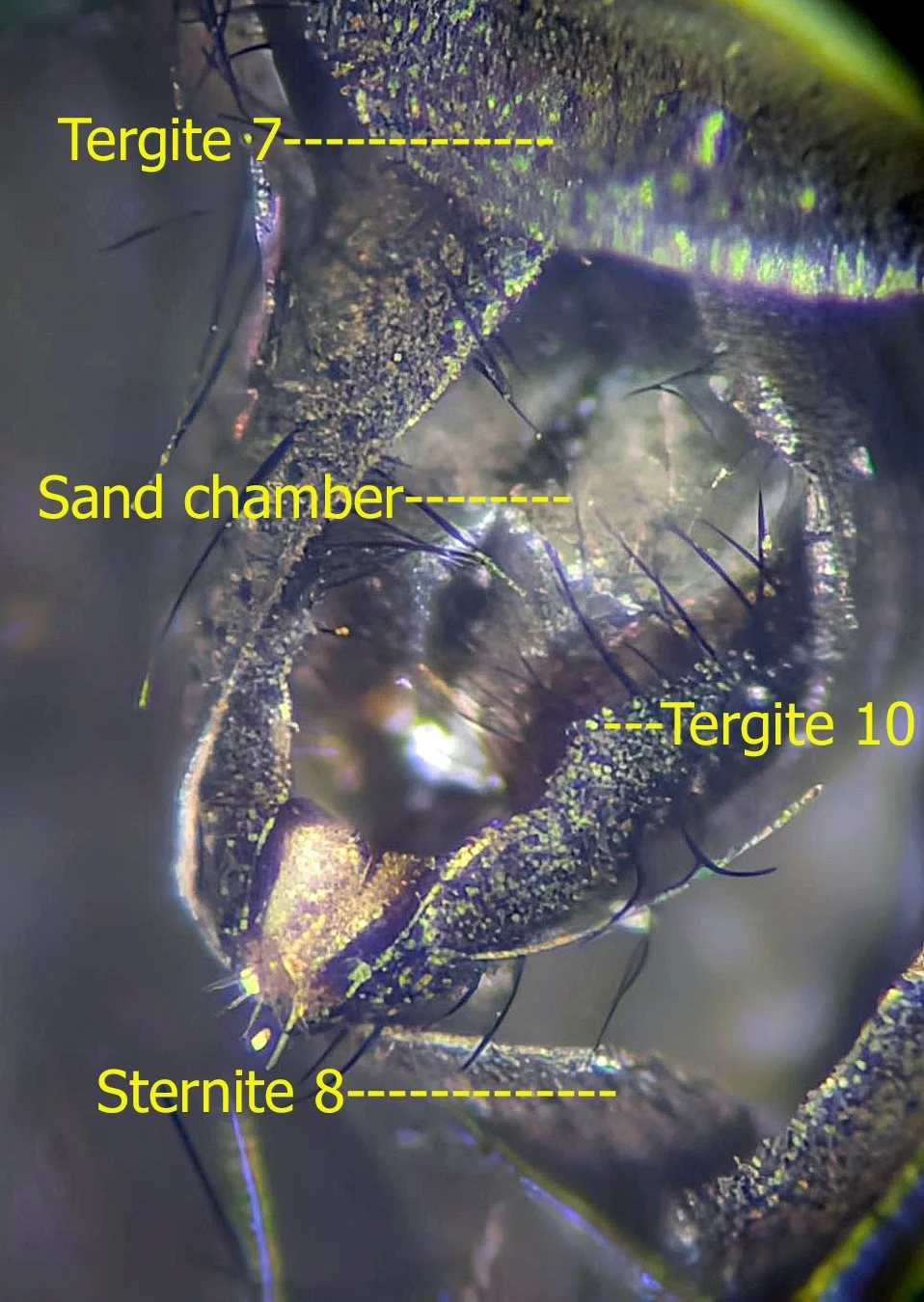
While it is mind-boggling to think what cues are picked up by ovipositing females while laying their eggs in or near nests of targeted prey, it makes sense that chemical communication may be involved. Females of some bombyliids have a "sand chamber" an area where particles of the substrate are stored. These tiny pieces of sand can be glued to the eggs prior to egg-laying, providing something of a disguise for the newly-laid eggs. Females are regularly seen dragging the tip of their abdomen through the sand, an act which might replenish the sand chamber. Rather than infallibly recognizing the nest holes of their targets to be parasitized, there is some evidence that females of a number of species scatter their eggs haphazardly.
Sand Gathering



Bee flies, like the butterflies you may be more familiar with, develop through what is termed a complete metamorphosis. They begin as an egg, pass through several larval stages known as instars, form a pupa, and emerge as a winged adult. The first instar is highly mobile and is called a planidium. Planidia move by using a combination of mouth hooks near the anterior end, pseudopods (false legs) along the length of the body, and a general flexing of the entire larva. The larvae have a head, a three-segmented thorax, and an abdomen with 9 segments. Larval bombyliids are air breathers. Respiration occurs through two spiracles, valve-like structures through which air passes into the body. There is one on the prothorax (the front portion of the thorax) and another on the 8th abdominal segment.
Typically, bombyliid larvae attach themselves to, and then feed on, the larvae of ground-nesting bees and other insects. Within the bee's nesting tunnel, or perhaps simply buried in soil, they pass through several molts. Most of the winter is spent as a mature larva. In some members of the subfamily Bombyliinae; i.e., Heterostylumrobustum, the mature larva leaves the bee’s nest during this cold weather period and works its way upward to within several inches of the substrate where it pupates. Bee fly pupae are exarate, that is, the wings and legs develop outside the bulk of the maturing pupa. At the time of eclosion (when the adult fly leaves the pupal case), the pupa often projects above the surface of the ground. The process of extricating itself from the pupal skin, and becoming an adult capable of its first flight, usually takes about 15 minutes. Again, it is prudent to remind the reader that many of these details are specifics to H. robustum and may not apply to all bombyliids.
Apparently, population size of the various species varies from location to location and, in any one location, from year to year, and even from season to season. A few species, e.g., some members of the genus Hemipenthes, appear to have more than a single brood per year or they may have a series of overlapping broods. The variation in abundance of a particular species is, in all probability, related to precipitation that drives a fluctuation in the amount of available nectar, that may affect both the populations of various food plants and insect host species. While these are two important criteria, other issues also come into play. These include length and intensity of the rainy seasons (flooding may inundate larval sites), competition with other parasitic insects, and the significant presence of their own enemies. Hull (1973, p. 35) enumerates at least 11 of these enemies including insectivorous birds, parasitic wasps, various spiders, mammals, lizards, and in especially warm and moist situations, mold in the soil. Certain nectar sources may be very attractive one year but not the next. So, searching for bombyliids is, in some ways, a new experience and a new challenge each year.
Some species of bee flies, especially in mid-summer, are active at first light. In general, these are small species with a small body mass and flight muscles that may warm up faster; i.e., the genera Neacreotrichus, Geron, and Poecilognathus. But the majority of species, even on warm, sunny days, do not become active until closer to 8 a.m. During SE Arizona’s summers, numbers of flying bombyliids tend to peak between 10 and 11 a.m., decreasing by early afternoon. Shade-seeking during the mid-day heat is to be expected; on a hot August day, we observed an Exoprosopa species drop slowly through the branches of a salt bush (Atriplex) shrub to settle on the ground in deep shade beneath the shrub’s vegetation. Many species are most often encountered as they perch on the ground. Visiting damp soil, either around puddles or along ponds and streams, is also a common phenomenon. Most species visit nectar plants, but members of the genus Anthrax do so reluctantly, apparently related to their shorter mouthparts. A number of smaller species approach flowers with an up and down flight before perching, a process we have dubbed "hesitation dancing."